The most common delays include late flooring selections, supply chain backorders, subfloor moisture issues, incomplete subfloor prep, scheduling conflicts with other trades, measurement errors, weather-related setbacks (especially in the Southeast), and last-minute design changes. Most are preventable with early planning and expert coordination.
Moisture in uncured concrete or wood subfloors can halt installation and cause long-term damage. Prevent delays by allowing proper curing time, conducting moisture tests, using barriers when needed, and ensuring subfloors are clean, dry, and level before installation.
Flooring is installed after other trades like painting and cabinetry. If earlier trades run late or the site isn’t ready, flooring crews are delayed, causing rescheduling and extra costs. Building buffer time and maintaining open communication between all trades helps keep projects on track.
High humidity, rain, and temperature swings in the Southeast can saturate subfloors and delay installation, especially for hardwood. Ensure the building is enclosed, maintain stable indoor conditions, and monitor weather forecasts to minimize weather-related setbacks.
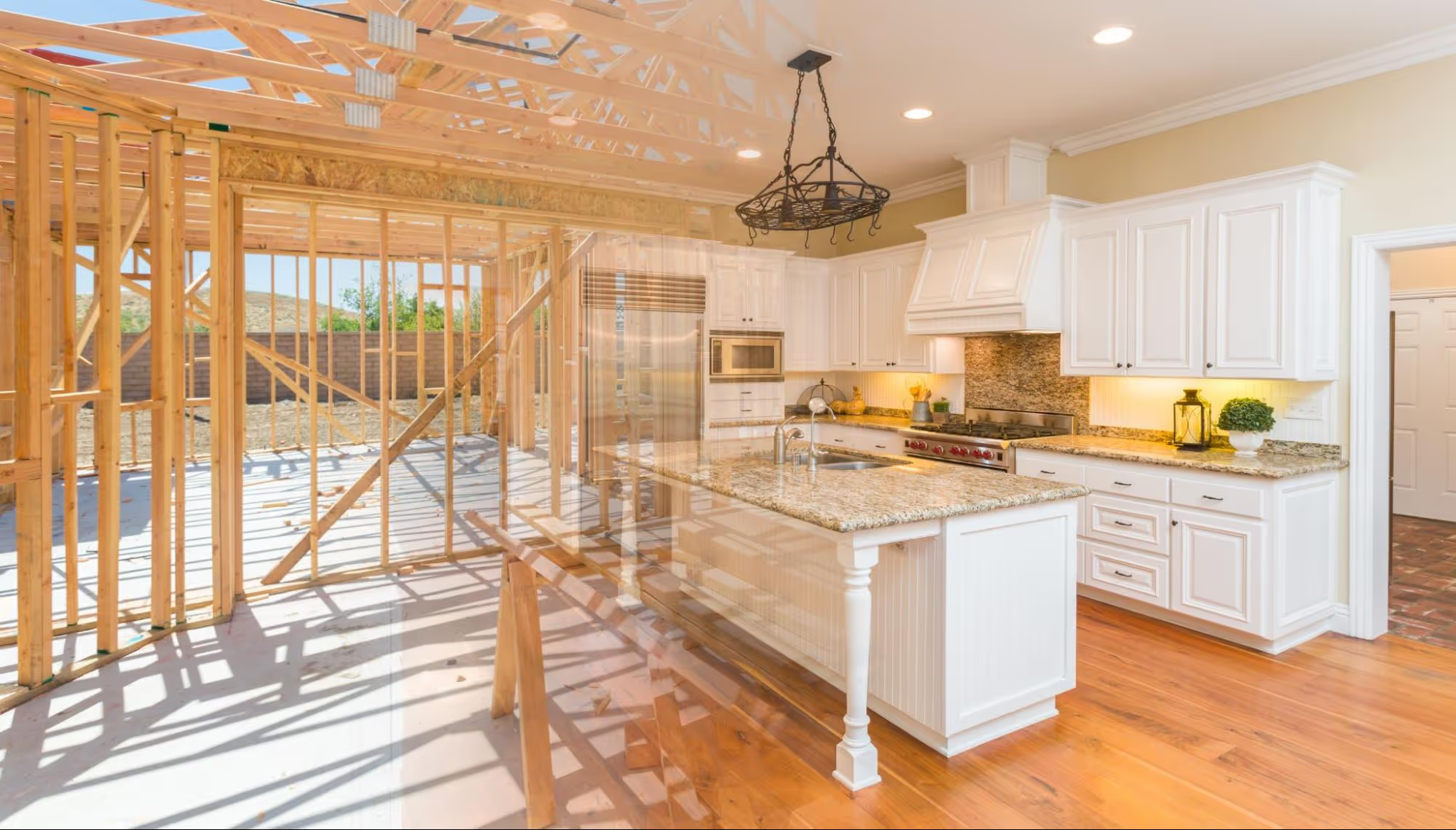
In new construction projects, timing is everything. When one trade falls behind, it can create a ripple effect that impacts the entire build schedule. Flooring is often one of the final stages before a project feels complete, which means any delays at this point can be especially frustrating for builders, contractors, and homeowners alike.
At C.S. Brown, we’ve seen firsthand how avoidable flooring delays can push back move-in dates, disrupt other trades, and increase overall project costs. The good news? Most flooring delays in new construction stem from a few common issues, and with proper planning, they can be effectively prevented.
Below, we break down the primary causes of flooring delays in new construction and provide practical ways to mitigate them.
One of the most common and most preventable causes of flooring delays is waiting too long to make material selections.
In many new builds, flooring decisions are postponed until framing or even drywall is complete. While this may seem harmless, it often creates problems as installation approaches. Certain flooring materials have longer lead times, especially specialty hardwoods, custom stains, imported tile, or large quantity orders for multi-room installations.
When selections are made late, installers may be forced to wait on materials, or worse, builders may need to rush substitutions that don’t align with the original vision.
Early decisions allow time for ordering, shipping, acclimation, and scheduling, keeping the project on track.
Even with early selections, supply chain disruptions can still cause unexpected delays. Flooring materials may be backordered due to manufacturer shortages, shipping delays, or high demand, especially during peak building seasons.
Custom or specialty products are particularly vulnerable to longer delays, and a single missing component (such as matching trim or transitions) can hold up an entire installation.
Working with an experienced flooring partner who understands current supply trends can make a significant difference.
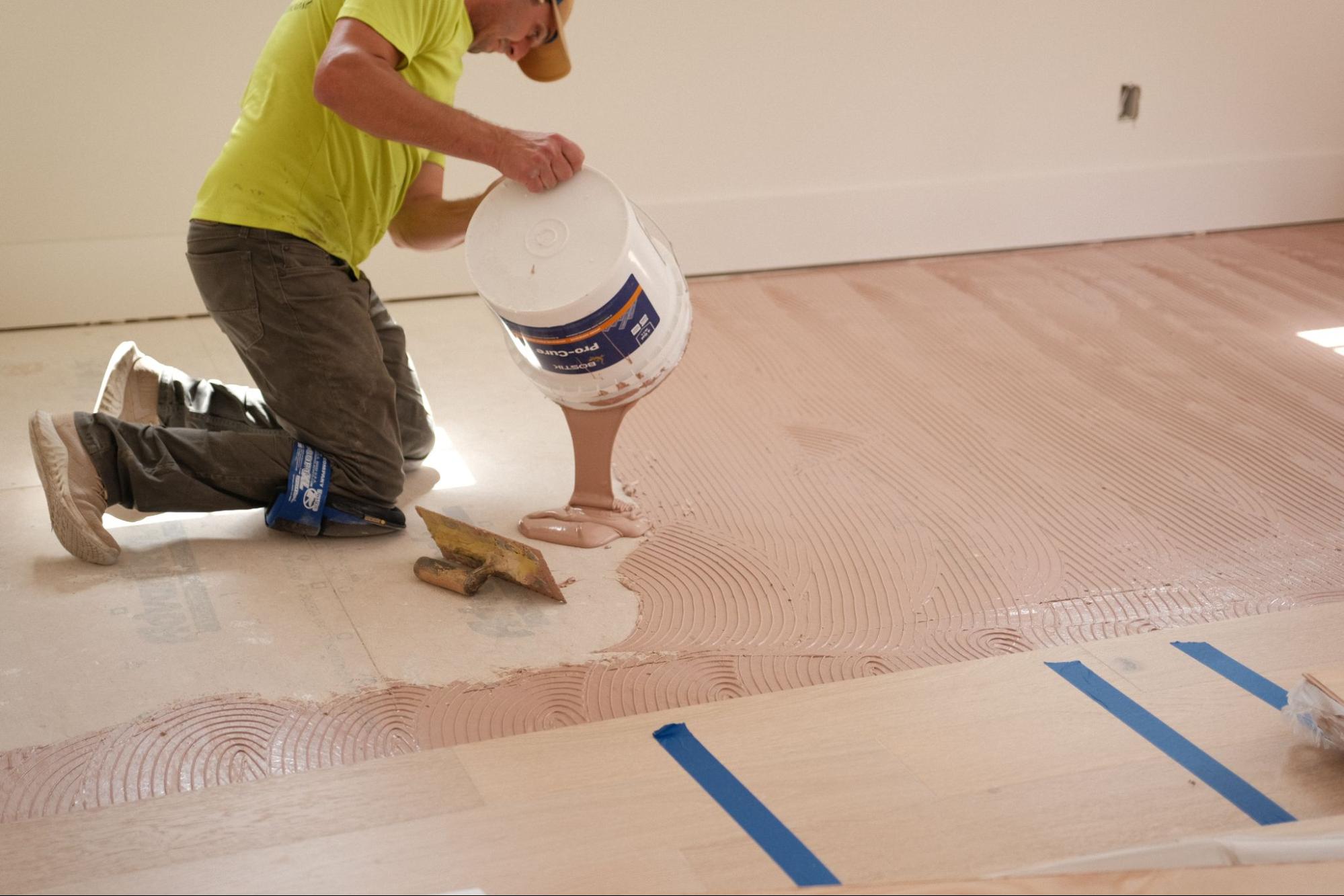
Moisture-related problems are a significant cause of flooring delays and failures in new construction. Concrete slabs that haven’t fully cured or wood subfloors that have absorbed excess moisture can prevent flooring from being installed safely.
Installing flooring over a wet subfloor can lead to warping, buckling, adhesive failure, and long-term damage. When moisture levels are too high, installers must pause work until conditions are corrected.
Taking the time to confirm moisture conditions protects both the flooring and the overall project timeline.
Flooring installation depends heavily on subfloor readiness. Uneven surfaces, leftover construction debris, protruding fasteners, or unaddressed leveling issues can all bring installation to a halt.
When subfloors aren’t adequately prepared, installers must stop work to address issues, delaying not only the flooring but also any subsequent trades.
A smooth subfloor leads to a smoother installation process and fewer surprises.
New construction projects rely on careful coordination between multiple trades. Flooring is typically scheduled after painting, cabinetry, and trim, but when other trades run late, flooring is often the first to be pushed back.
In some cases, flooring crews arrive on site only to discover the space isn’t ready, leading to rescheduling and lost time.
Proactive scheduling helps prevent costly downtime and keeps the project moving forward.
Ordering the wrong amount of flooring material can cause significant delays. Having too little material means reordering and waiting; having too much can increase costs and waste.
Measurement errors are more common than many expect, especially in complex layouts, staircases, or multi-room installations.
Accurate measurements ensure materials arrive on time and installations proceed without interruption.
In new construction, especially in the Southeast, weather can significantly impact flooring delays. High humidity, heavy rain, or temperature fluctuations can affect both materials and installation conditions.
Certain flooring types, particularly hardwood, require a stable indoor environment to begin with before installation can commence.
Controlling the indoor environment protects flooring materials and reduces the risk of installation setbacks.
Changing flooring materials, layouts, or finishes late in the build process can quickly derail timelines. Even small changes may require new orders, revised measurements, or additional prep work.
While design flexibility is essential, last-minute changes often result in unintended delays and additional costs.
Transparent decision-making helps keep projects efficient and predictable.
A single issue doesn’t cause many flooring delays, but it can be due to a lack of coordination, experience, or communication. Partnering with a knowledgeable flooring provider can help identify potential problems early, before they impact your schedule and workflow.
At C.S. Brown, we work closely with builders, contractors, and homeowners to anticipate challenges, manage timelines, and deliver flooring solutions that align with the demands of new construction projects. From early material selection to final installation, proactive planning makes all the difference.
Flooring delays in new construction can be frustrating, costly, and disruptive, but they are often avoidable. By planning, selecting materials early, preparing subfloors properly, and collaborating with experienced professionals, builders and homeowners can keep projects on track and avoid unnecessary delays and setbacks.
When flooring is approached with the same level of coordination as every other phase of construction, the final result is a smoother process, a better product, and a successful build from start to finish. To avoid delays on your next project, contact C.S. Brown today to discuss your flooring needs.