Start by evaluating your kitchen's overall design before picking tile. Traditional kitchens pair well with ceramic subway tile, marble, or neutral mosaics. Modern kitchens benefit from large-format porcelain or sleek geometric patterns. Farmhouse and transitional spaces look best with handmade-look tiles and warm neutrals, while coastal kitchens shine with glass tile, soft blues, and whites. Choosing tile that complements your cabinetry and countertops keeps the design cohesive and timeless.
The best tile material depends on your priorities for look, durability, and maintenance. Ceramic tile is affordable, versatile, and easy to clean, making it the most popular option. Porcelain is denser and more stain-resistant, ideal for busy kitchens. Natural stone, such as marble or travertine, delivers luxurious character but requires sealing. Glass tile reflects light and brightens smaller kitchens but can show fingerprints. Choosing the right material balances aesthetics with lifestyle needs.
Whether to extend a backsplash to the ceiling depends on the look you want and your budget. A full-height backsplash creates a bold, custom appearance that works especially well behind ranges, open shelving, or with stone slabs and large-format tile. A standard-height backsplash, which reaches the bottom of the upper cabinets, still offers full protection and style without dominating the kitchen. Both options are popular, so the choice comes down to visual impact and investment level.
Color and grout play a major role in how your backsplash looks and wears over time. If cabinets or countertops are bold, a neutral backsplash in white, beige, or soft gray prevents the space from feeling busy. Neutral cabinetry opens the door to deeper colors, patterns, or textured tile. Light grout highlights tile patterns but shows stains more easily, while darker grout is more forgiving and adds contrast. Always view samples in your kitchen's lighting before finalizing the combination.
A kitchen backsplash may be a smaller design element compared to cabinets or countertops, but it plays a major role in both function and style. The right tile backsplash protects your walls from moisture and mess while also tying the entire kitchen together. With so many tile options available today, choosing the perfect backsplash can feel overwhelming. From classic subway tile to bold patterns and natural stone, every choice makes a statement.
At C.S. Brown, we help homeowners navigate these decisions every day. This guide will walk you through the key factors to consider so you can choose a tile backsplash that fits your kitchen, your lifestyle, and your long-term vision.
Before selecting tile shapes or colors, take a step back and look at your kitchen as a whole. Your backsplash should complement the overall design rather than compete with it.
If your kitchen leans traditional, timeless options like ceramic subway tile, marble, or neutral mosaics often work well. These styles add character without overpowering the space. In modern kitchens, large-format tiles, sleek porcelain, or simple geometric patterns can enhance clean lines and a minimal design.
Farmhouse and transitional kitchens often benefit from warm textures, handmade look tiles, or soft neutral tones. Coastal or light-filled kitchens pair beautifully with glass tile, soft blues, or whites that reflect light and create an open feel.
Understanding your kitchen’s style helps narrow down choices and keeps your design cohesive from the start.
Tile material affects not only how your backsplash looks but also how it performs over time. Each material offers its own benefits.
Ceramic tile is one of the most popular backsplash choices. It is affordable, versatile, and available in endless colors and finishes. Ceramic is easy to clean and works well in most kitchens.
Porcelain tile is denser and more durable than ceramic tile. It resists moisture and stains, making it an excellent choice for busy households. Porcelain can also mimic natural stone or concrete for a high-end look with less maintenance.
Natural stone tile, such as marble, travertine, or slate, adds unmatched character and depth. Stone backsplashes create a luxurious feel but require sealing and regular care to maintain their beauty.
Glass tile reflects light, making smaller kitchens feel brighter and more open. It works especially well as an accent or focal area, but may show fingerprints more easily.
Choosing the right material depends on how much maintenance you are comfortable with and the look you want to achieve.
Color is one of the most impactful aspects of backsplash design. The right color can bring balance to your kitchen or add visual interest.
If your cabinets and countertops already have bold colors or patterns, a more neutral backsplash helps prevent the space from feeling too busy. White, beige, or soft gray tiles are classic choices that stand the test of time.
For kitchens with neutral cabinetry, the backsplash is an opportunity to introduce color or texture. Deep blues, greens, or patterned tiles can add personality without overwhelming the room.
Contrast also matters. Light tile with dark grout can highlight the tile pattern, while matching grout creates a seamless, understated look. Always view samples in your kitchen lighting before making a final decision.
Tile size and shape influence the overall feel of your backsplash. Smaller tiles, such as mosaics, add detail and texture, making them ideal for decorative designs or accent areas.
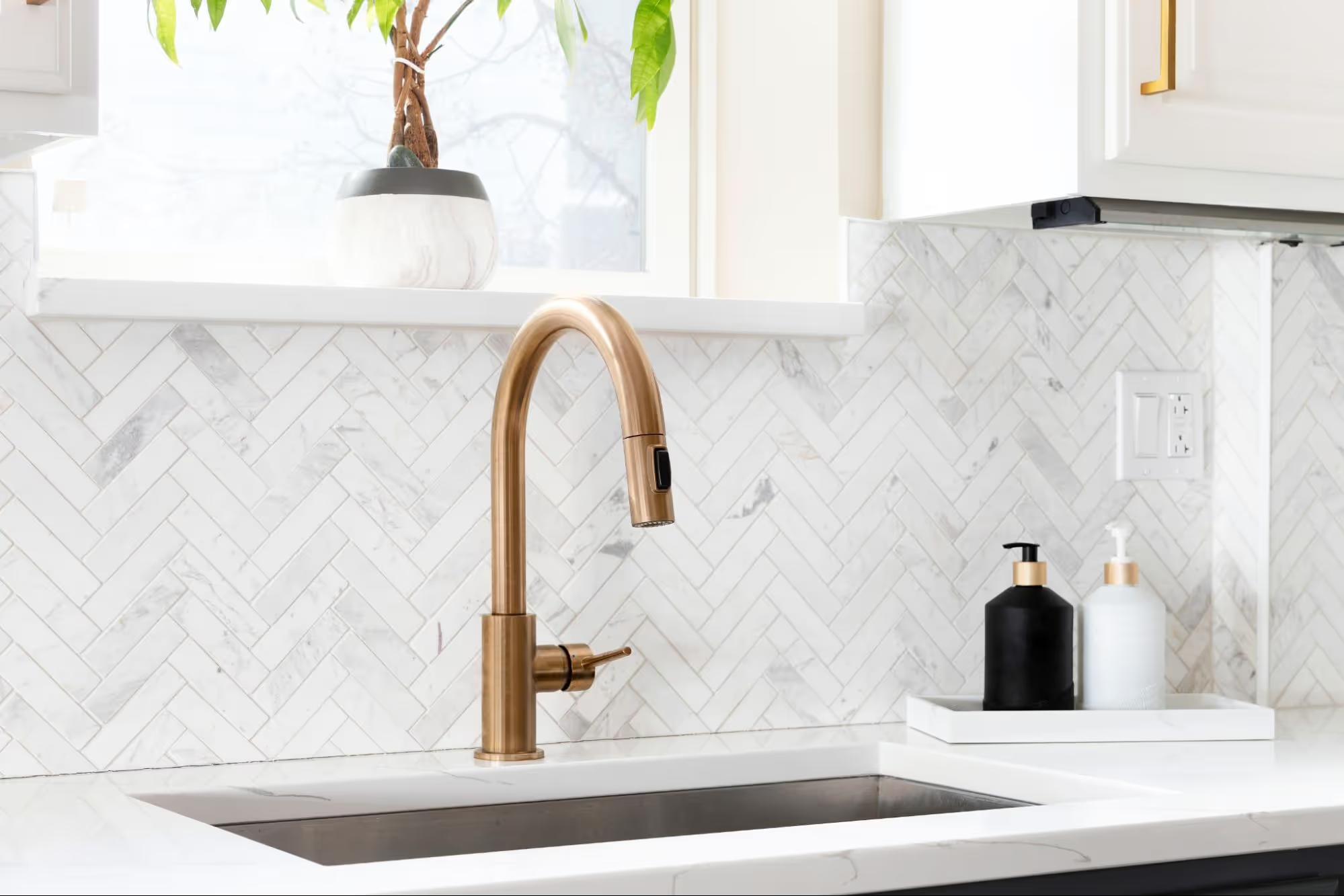
Subway tile remains a favorite due to its versatility. While the classic three-by-six-inch layout is timeless, longer or wider subway tiles offer a fresh update. Changing the installation pattern, such as vertical stacking or herringbone, can also modernize the look.
Large format tiles create a sleek, contemporary appearance with fewer grout lines. This can make cleaning easier and give the backsplash a more seamless look.
When selecting tile size, consider the scale of your kitchen. Smaller kitchens often benefit from simpler layouts, while larger kitchens can handle bolder patterns and shapes.
A backsplash should be as practical as it is attractive. Since it is exposed to cooking splashes, heat, and moisture, it requires regular maintenance.
Smooth, glazed tiles are easier to clean and resist stains. Porcelain and ceramic are excellent low-maintenance options. Natural stone requires more care, including sealing, but many homeowners find the unique appearance worth the effort.
Grout selection also impacts maintenance. Lighter grout can brighten a backsplash but may show stains more easily. Darker grout is more forgiving and can add contrast.
At C.S. Brown, we help homeowners choose materials and grout options that fit their daily routines and design goals.
Traditional backsplashes typically extend from the countertop to the bottom of the cabinets. However, more homeowners are choosing extended or full-height backsplashes that reach the ceiling, especially behind ranges or open shelving.
A full-height backsplash creates a bold, cohesive look and can make the kitchen feel more custom. It works particularly well with stone slabs or large-format tile.
If you prefer a subtle approach, a standard height backsplash still offers protection and style without dominating the space. Your choice should reflect both your budget and your desired visual impact.
Lighting plays a major role in how tile appears once installed. Glossy finishes reflect light and can brighten darker kitchens. Matte finishes offer a softer, more understated look but may absorb light.
Under-cabinet lighting highlights the backsplash and enhances texture and color. When selecting tile, consider how natural and artificial light will interact with the surface throughout the day.
Viewing tile samples in your home environment helps avoid surprises and ensures the final result matches your expectations.
Even the most beautiful tile can fall short if it is not installed correctly. Proper layout, spacing, and grout application are essential for a polished finish.
Working with experienced professionals ensures your backsplash is installed with precision and care. At C.S. Brown, our team pays close attention to detail, from surface preparation to final cleanup.
Professional installation not only improves appearance but also ensures durability and longevity, protecting your investment for years to come.
Choosing the right tile backsplash for your kitchen is about finding the perfect balance between style, function, and maintenance. By considering your kitchen’s design, selecting the right material, and thinking through color, size, and coverage, you can create a backsplash that enhances your space and fits your lifestyle.
At C.S. Brown, we are proud to help homeowners transform their kitchens with expertly selected and installed tile. Whether you are drawn to classic designs or modern statements, our team is here to guide you every step of the way.
If you are ready to start your kitchen backsplash project, contact C.S. Brown to explore your options and bring your vision to life.