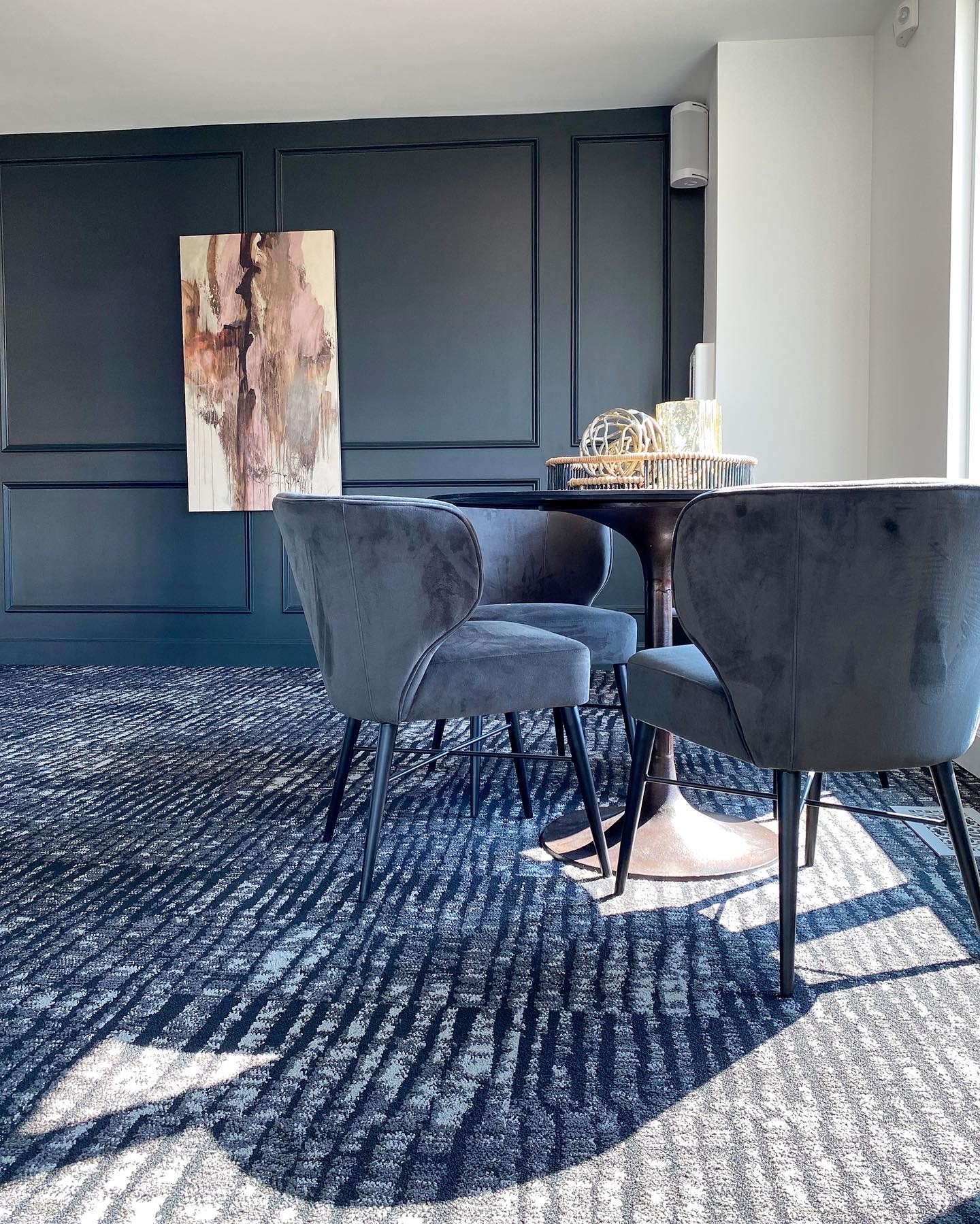
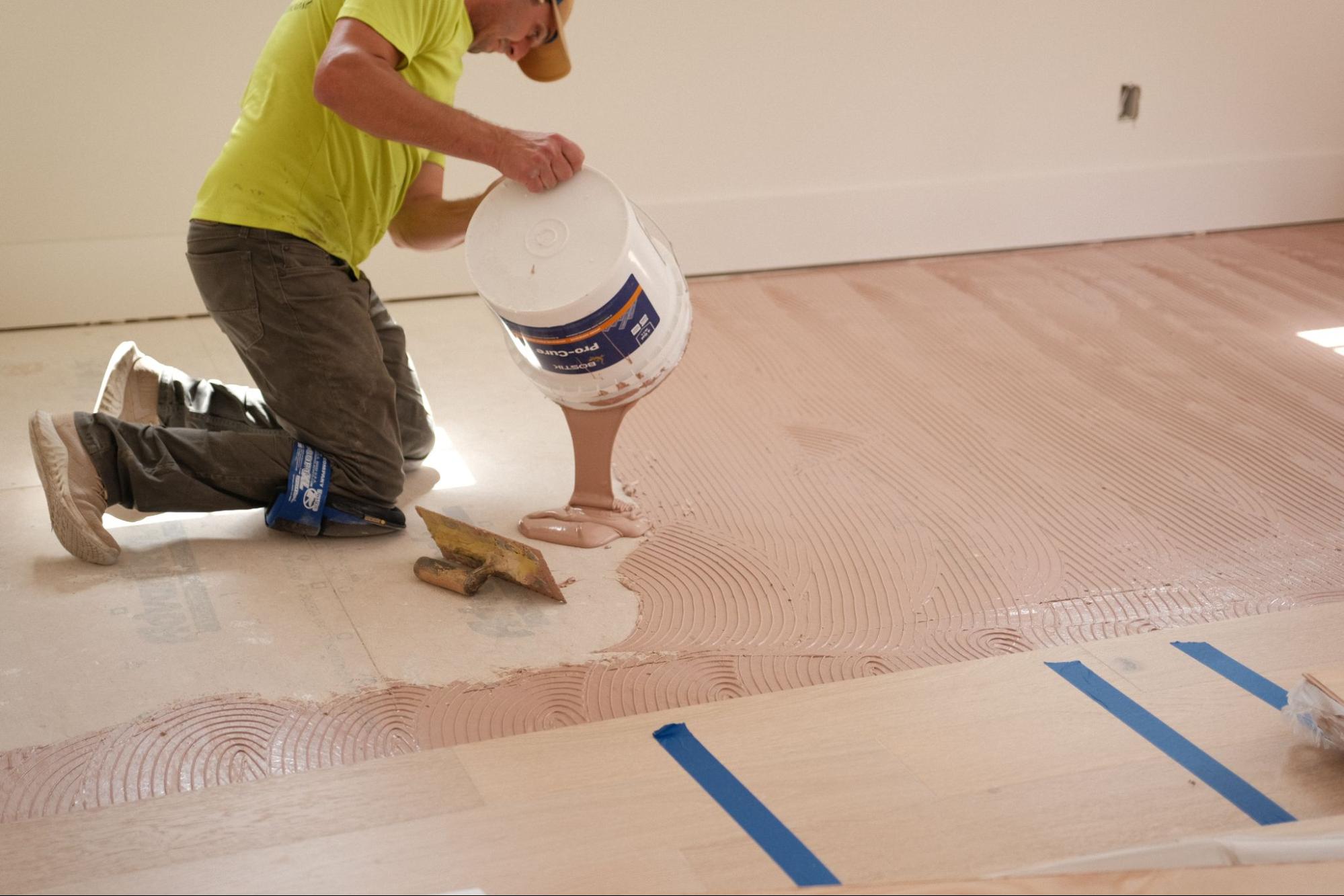
The best flooring for high-traffic areas balances durability, easy maintenance, and aesthetic appeal. Luxury vinyl plank (LVP), laminate, porcelain and ceramic tile, hardwood with a durable finish, and commercial carpet tiles are the top performers. Porcelain tile and commercial-grade vinyl hold up best in extremely high-traffic spaces like office lobbies, retail stores, and schools, while hardwood and laminate deliver a refined look for entryways, hallways, and living rooms.
Flooring durability matters because constant foot traffic, furniture movement, moisture, and sunlight can quickly damage materials that aren't built for heavy use. Durable flooring improves safety by reducing tripping hazards and slippery surfaces, lowers maintenance costs through fewer repairs and replacements, and preserves the long-term aesthetic appeal of the space. Choosing the right flooring is a long-term investment in both functionality and style.
Yes, luxury vinyl plank is one of the most popular high-traffic flooring options because it is water-resistant, scratch- and stain-resistant, comfortable underfoot, and available in a wide range of wood and stone looks. LVP and vinyl sheet flooring perform exceptionally well in offices, retail stores, kitchens, and bathrooms where spills, foot traffic, and frequent cleaning are ongoing concerns. It delivers the look of hardwood or stone at a more affordable price point with far less maintenance.
Hardwood can perform well in high-traffic areas when paired with durable species and modern finishes. Dense hardwoods like oak, maple, and hickory — finished with polyurethane or aluminum oxide — resist scratches and dents while preserving their timeless look. Hardwood is ideal for entryways, hallways, living rooms, and commercial lobbies, and it offers the added advantage of being able to be sanded and refinished multiple times to restore its original beauty.
When it comes to flooring, durability is key, especially in high-traffic areas. Whether it’s a bustling office, a busy retail store, a school hallway, or a high-traffic area in your home, your flooring needs to withstand daily wear and tear without losing its appeal. Investing in the right materials not only enhances the look of your space but also reduces long-term maintenance costs and ensures safety for everyone who walks across it.
In this guide, we’ll explore the best high-traffic flooring solutions, their benefits, and how to choose the right option for your space.
High-traffic areas put significant strain on flooring materials. Constant foot traffic, furniture movement, and environmental factors such as moisture or sunlight can cause certain types of flooring to wear out quickly. Using a material that isn’t designed for heavy use often leads to scratches, dents, fading, or even structural issues over time.
Durable flooring is about more than just resistance to damage—it also impacts:
Choosing the right flooring solution is an investment in both functionality and style.
Several materials are designed specifically for high-traffic spaces. Here’s a breakdown of the most reliable options:
Vinyl flooring has become one of the most popular choices for high-traffic areas due to its durability, affordability, and variety of styles. Luxury Vinyl Plank (LVP) mimics the look of hardwood, while vinyl sheet flooring provides a continuous, seamless surface.
Benefits:
Vinyl flooring is ideal for offices, retail stores, kitchens, and bathrooms where spills, foot traffic, and cleaning are constant concerns.
Laminate flooring is another excellent choice for high-traffic areas. Made from multiple layers fused together, laminate flooring is designed to resist scratches, dents, and fading while maintaining the appearance of natural wood.
Benefits:
Laminate is perfect for homes, commercial spaces, and classrooms where aesthetics and resilience are equally important.
While traditional hardwood can be prone to scratches and dents, modern finishing technologies make it much more suitable for high-traffic areas. Hardwoods like oak, maple, and hickory, paired with polyurethane or aluminum oxide finishes, can handle heavy use while maintaining their natural beauty.
Benefits:
Hardwood is ideal for entryways, hallways, living rooms, and commercial lobbies where you want a durable yet elegant floor.
Tile is among the most durable flooring options available. Ceramic and porcelain tiles resist scratches, stains, and water damage, making them perfect for both residential and commercial high-traffic areas.
Benefits:
Tile is ideal for kitchens, bathrooms, entryways, and retail spaces where durability is non-negotiable.
In areas where comfort and sound absorption are important, commercial carpet tiles offer a great combination of durability and design flexibility. Unlike traditional wall-to-wall carpeting, tiles can be replaced individually when damaged, extending the life of your floor.
Benefits:
Commercial carpet tiles are often used in offices, schools, and healthcare facilities where both performance and comfort matter.
Choosing the right flooring isn’t just about picking a material; it requires understanding your space's specific needs. Here are key factors to consider:
Estimate how many people will regularly use the area. Spaces with extremely high foot traffic, such as office lobbies or airport terminals, require ultra-durable materials, such as porcelain tile or commercial-grade vinyl.
High-traffic areas often need flooring that is easy to clean and maintain. Vinyl, tile, and laminate are low-maintenance options, while hardwood may require periodic refinishing to maintain its appearance.
Your flooring should complement the overall design of the space. LVP and laminate offer a wide variety of styles that can mimic more expensive materials, such as hardwood or natural stone.
Consider moisture, temperature changes, and sunlight exposure. Areas prone to spills or humidity, such as kitchens or bathrooms, benefit from waterproof or water-resistant flooring.
Durable flooring is an investment, but costs can vary widely. Laminate and vinyl offer a balance of affordability and performance, while high-end hardwood or natural stone can provide luxury but may require higher upfront costs.
Even the most durable flooring can benefit from proper care. Here are some tips to ensure your high-traffic flooring lasts as long as possible:
By taking these simple steps, you can preserve both the beauty and functionality of your flooring for years to come.
Selecting the right flooring for high-traffic areas requires balancing durability, style, maintenance, and budget. From resilient vinyl and laminate to timeless hardwood, elegant tile, and practical commercial carpet tiles, there are numerous solutions designed to stand the test of time.
At C.S. Brown, we understand the importance of combining performance with aesthetics. Our team can help you find the perfect flooring solution that meets the demands of your space while enhancing its overall appeal. With the right choice, your floors will not only withstand heavy use but continue to impress for years to come.