Pets create four distinct flooring challenges that standard residential flooring specifications are not always designed to address simultaneously. Scratches from untrimmed nails are the most visible concern — dogs walking, running, and playing across softer flooring leave marks that accumulate into permanent surface damage, with larger and heavier breeds causing more severe damage over shorter periods. Moisture from accidents — particularly from puppies, older pets, and animals with health conditions — can penetrate flooring materials and cause staining, odor, and structural damage if the material absorbs liquids. Shedding and dander from pets become embedded in textured or fibered flooring, making maintenance more demanding and contributing to indoor air quality issues for household members with allergies. Finally, nail noise on hard surfaces — the clicking that accompanies pet movement — is a comfort and livability concern that some flooring choices address better than others. The best pet-friendly flooring specification minimizes all four challenges rather than optimizing for one at the expense of others.
Luxury vinyl plank has become the dominant recommendation for pet-friendly homes because its multi-layer construction addresses every pet flooring challenge in a single product. Scratch resistance from a thick wear layer withstands daily nail contact from large, active dogs without the permanent marking that softer flooring materials sustain. Full waterproofing — meaning the core material itself does not absorb moisture — means pet accidents can be wiped up with a damp cloth and pet-safe cleaner without warping, swelling, or staining the floor, regardless of how long the spill sat before discovery. The smooth, non-porous surface does not trap pet hair, dander, or odors the way carpet fibers do, reducing both maintenance burden and allergen load. Modern LVP also offers realistic wood and stone appearances across a wide range of aesthetic directions, so choosing the most practical pet-friendly flooring does not require sacrificing the design outcome the homeowner wants.
Porcelain and ceramic tile is exceptionally scratch-resistant — even the sharpest dog nails will not mark a properly installed tile surface, making it the strongest specification for homes with large or multiple dogs. Its waterproof surface handles accidents, spills, and tracked-in moisture without damage, and pet hair does not cling to tile surfaces the way it does to carpet or textured flooring. The primary maintenance consideration with tile is the grout lines — unsealed or poorly maintained grout absorbs liquids and develops staining and odor over time. Using a high-quality grout sealer and selecting darker grout colors reduces this vulnerability significantly. Tile's main comfort limitation is temperature — hard tile surfaces are cold underfoot, which may be uncomfortable for pets who rest on the floor for extended periods. Area rugs in pet resting spots address this while maintaining tile's durability benefits in the broader space.
Engineered hardwood is the appropriate choice for pet households that want the visual warmth and character of wood but whose pets are smaller, less active, or fewer in number than the worst-case scenario that hardwood flooring must be evaluated against. Its cross-ply construction makes it more dimensionally stable than solid hardwood, handling minor spills better when cleaned up promptly — though it is not waterproof and should not be specified in high-moisture areas or for households with pets that have frequent accidents. Scratch resistance depends primarily on the wood species and finish — harder species like oak and maple with aluminum oxide finishes outperform softer species, and hand-scraped or distressed finishes help disguise minor scratches that do occur. Engineered hardwood is not the right specification for homes with large, highly active dogs or pets with documented accident issues — in those scenarios, waterproof LVP is the stronger choice that eliminates the moisture vulnerability that engineered hardwood cannot fully overcome.
Pets bring joy, companionship, and plenty of love to a home, but they also bring unique challenges when it comes to flooring. From scratched hardwood to stained carpet, pet owners know all too well how quickly flooring can take a beating. For contractors and builders working on homes with furry family members, selecting the right flooring isn't just about aesthetics. It's about durability, maintenance, and long-term performance.
Whether you're building a new home for a family with multiple dogs, renovating a space for cat lovers, or simply want to recommend flooring that can handle whatever pets throw at it, this guide will help you navigate the best options for pet-friendly homes.
Before diving into specific flooring types, it's important to understand what makes a floor pet-friendly. Pets create several distinct challenges that standard flooring may not be designed to handle.
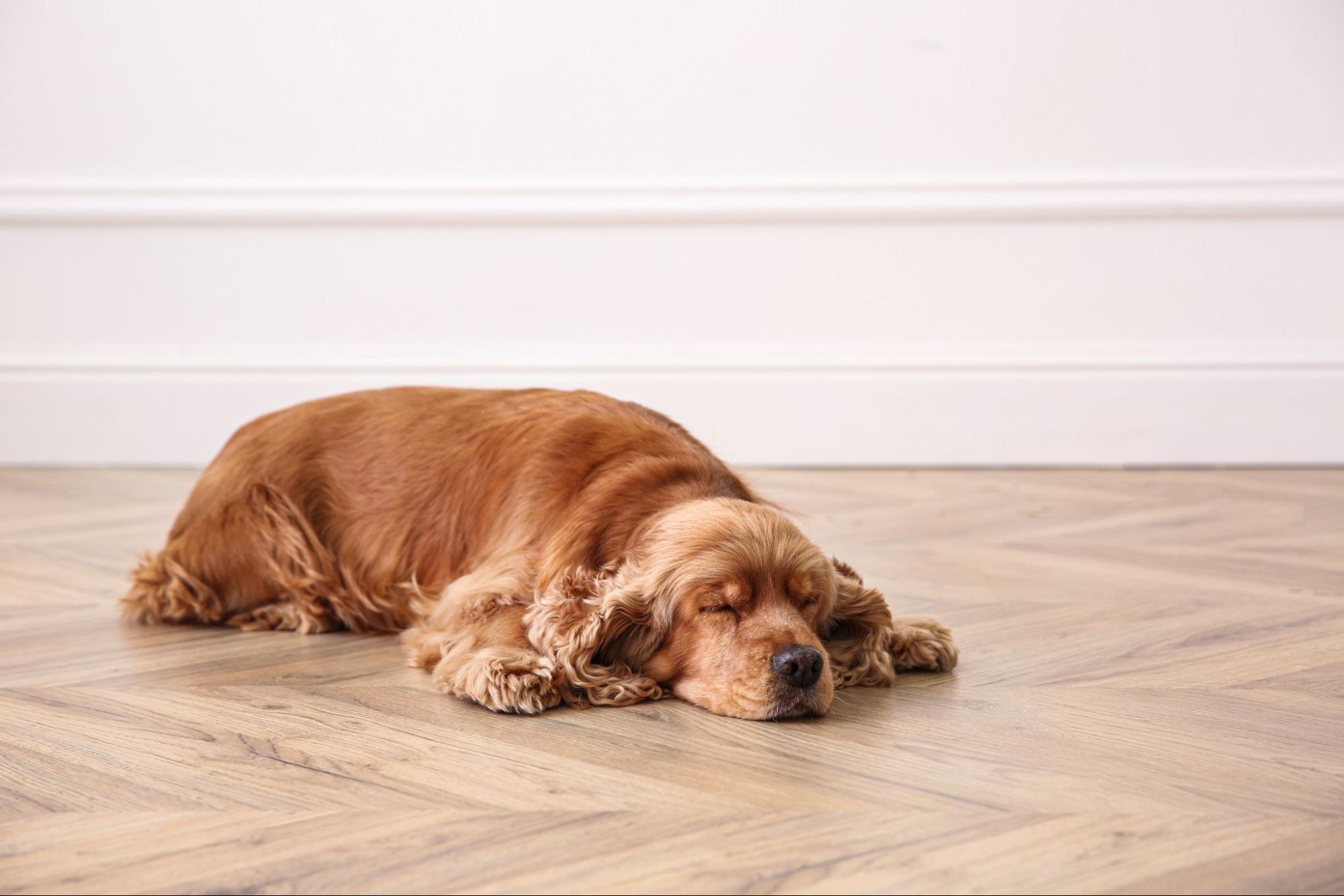
Scratches are the most common concern. Dogs with untrimmed nails can leave visible marks on softer flooring, especially when running, playing, or simply walking across the room. Larger breeds with heavier body weight can cause even more damage over time.
Accidents happen, particularly with puppies, older pets, or animals with health issues. Urine and other liquids can seep into flooring materials, causing permanent stains, odors, and even structural damage if left untreated. Some flooring materials are more forgiving than others when it comes to moisture exposure.
Shedding and dander are facts of life with pets. Flooring that traps hair and allergens can become difficult to maintain and may contribute to poor indoor air quality. Easy-to-clean surfaces make a significant difference in homes with heavy-shedding breeds.
Finally, noise can be an issue, especially in multi-story homes or apartments. The sound of nails clicking on hard surfaces may not bother some homeowners, but others find it disruptive. Certain flooring choices can help minimize this issue.
Luxury vinyl plank, or LVP, has become one of the most popular flooring options for pet-friendly homes, and for good reason. This material checks nearly every box when it comes to durability and pet resistance.
LVP is highly scratch-resistant, especially products with thicker wear layers. While no flooring is completely scratch-proof, quality LVP can withstand the daily wear and tear of even large, active dogs. The planks are constructed with multiple layers, including a protective top coat that shields the design layer from damage.
Waterproof LVP is a game-changer for pet owners. Unlike traditional hardwood or laminate, waterproof vinyl won't warp, swell, or stain from pet accidents. Cleanup is as simple as wiping up the mess with a damp cloth and pet-safe cleaner. This feature alone makes LVP worth considering for any home with pets.
Maintenance is straightforward with LVP. Regular sweeping or vacuuming removes pet hair and debris, while occasional damp mopping keeps the floor looking fresh. The smooth surface doesn't trap allergens the way carpet does, which is beneficial for both pets and people with sensitivities.
LVP also offers realistic wood and stone looks, so homeowners don't have to sacrifice style for function. From rustic barn wood aesthetics to sleek modern finishes, there's an LVP option to match virtually any design preference.
Porcelain and ceramic tile have long been favorites in homes with pets, particularly in kitchens, bathrooms, mudrooms, and entryways where accidents and messes are most likely to occur.
Tile is exceptionally scratch-resistant. Even the sharpest dog nails won't leave marks on a properly installed tile floor. This makes it an excellent choice for homes with large or multiple pets who spend significant time indoors.
Like LVP, tile is waterproof and stain-resistant when properly sealed. Spills and accidents wipe up easily without leaving lasting damage. However, grout lines require more attention. Unsealed or poorly maintained grout can absorb liquids and develop stains or odors over time. Using a high-quality grout sealer and opting for darker grout colors can help minimize visible staining.
Tile is also incredibly easy to clean. A quick sweep or vacuum followed by mopping with a pet-safe cleaner keeps tile looking pristine. Pet hair doesn't cling to tile surfaces, making cleanup faster and more efficient than with carpet or textured flooring.
One consideration with tile is comfort and temperature. Hard tile surfaces can be cold underfoot, which may be uncomfortable for pets who like to lounge on the floor. Adding area rugs in pet resting spots can provide warmth and cushioning while still maintaining the durability benefits of tile.
Many homeowners love the look of hardwood flooring, but solid hardwood and pets don't always mix well. Scratches, dents, and water damage can quickly diminish the beauty of traditional hardwood floors. Engineered hardwood offers a middle ground that delivers the aesthetic appeal of wood with improved durability.
Engineered hardwood consists of a real wood veneer layered over a plywood or high-density fiberboard core. This construction makes it more dimensionally stable than solid hardwood, meaning it's less prone to warping or cupping when exposed to moisture. While it's not waterproof, engineered hardwood handles minor spills better than solid wood, provided they're cleaned up promptly.
Scratch resistance varies depending on the wood species and finish. Harder woods like oak or maple with aluminum oxide finishes hold up better to pet nails than softer species like pine. Hand-scraped or distressed finishes can also help disguise minor scratches and wear, making them a smart choice for pet owners who want the warmth of wood without constant worry.
Regular maintenance includes sweeping or vacuuming to remove debris that could scratch the surface, along with occasional cleaning with a wood-safe cleaner. Keeping pet nails trimmed also goes a long way in preserving the floor's appearance.
Laminate flooring is another practical option for homes with pets, particularly when budget is a consideration. Modern laminate has come a long way from the thin, easily damaged products of the past.
Today's laminate floors feature tough wear layers that resist scratches and scuffs. While not as scratch-resistant as LVP or tile, quality laminate can hold up well to moderate pet activity. Textured finishes help hide minor imperfections better than smooth, glossy surfaces.
Waterproof laminate options are now available, offering better moisture protection than traditional laminate. However, standard laminate is not waterproof, and prolonged exposure to liquids can cause swelling and damage at the seams. Quick cleanup of accidents is essential with non-waterproof laminate.
Laminate is easy to clean and doesn't trap pet hair or dander. Regular sweeping and occasional damp mopping keep it looking good. Laminate's affordability makes it appealing for rental properties or homes where flooring may need to be replaced more frequently due to heavy pet traffic.
While some flooring types excel in homes with pets, others are best avoided or used sparingly.
Solid hardwood, while beautiful, is vulnerable to scratches, dents, and water damage. Pet accidents can penetrate the wood, leaving lasting stains and odors that are difficult or impossible to remove. If solid hardwood is a must-have, confine it to low-traffic areas where pets spend less time.
Carpet is problematic for multiple reasons. It traps pet hair, dander, and odors, even with regular vacuuming. Accidents can seep into carpet padding, creating persistent odors and the potential for mold growth. While some carpets are marketed as pet-friendly with stain-resistant treatments, they still require more maintenance than hard surface flooring.
Natural stone, such as marble or limestone, is porous and can absorb pet urine, leading to permanent staining and odor. These materials also require regular sealing and specialized cleaning products, making them high-maintenance choices for pet households.
Choosing the right flooring material is just the first step. A few additional considerations can help ensure long-term success in pet-friendly homes.
Opt for matte or textured finishes rather than high-gloss surfaces. Scratches and scuffs are more visible on shiny floors, while textured finishes help disguise normal wear and tear.
Select medium-toned flooring colors when possible. Very light or very dark floors show dirt, hair, and scratches more readily than mid-tone options. Variegated patterns or wood-look planks with natural color variation also help hide imperfections.
Consider installing radiant floor heating, especially with tile. This addresses the cold-floor issue while maintaining the durability benefits of hard surfaces. Pets will appreciate the warmth, and homeowners will enjoy improved comfort throughout the home.
Keep pet nails trimmed regularly and place mats at entry points to catch dirt and moisture before it reaches the main flooring areas. These simple habits significantly extend the life of any floor.
Every pet household is different, and the best flooring choice depends on factors like pet size, activity level, homeowner lifestyle, and budget. For most applications, luxury vinyl plank offers the best combination of durability, waterproof protection, easy maintenance, and aesthetic versatility. Tile remains an excellent choice for moisture-prone areas, while engineered hardwood works well in homes with smaller or less active pets.
By understanding the specific challenges pets present and matching those needs to appropriate flooring materials, contractors can deliver homes that look beautiful and perform well for years to come.
At C.S. Brown, we understand that recommending the right flooring goes beyond aesthetics. Our team works with contractors and builders to identify materials that meet the specific demands of each project, including homes with pets. With an extensive selection of luxury vinyl plank, tile, engineered hardwood, and other durable flooring options, we're here to help you make informed decisions that keep your clients happy.
Contact C.S. Brown today to discuss your upcoming projects and explore flooring solutions that deliver both beauty and performance in pet-friendly homes.