A floor that looks exactly right but was not specified for the conditions of the space will fail — and when it does, the failure reflects on the contractor who recommended it regardless of what the client originally requested. Foot traffic volume, moisture exposure, humidity levels, temperature fluctuation, the presence of children or pets, and the placement of heavy furniture and appliances are all conditions that determine which materials will perform and which will not. Starting with function means asking these questions before any product is discussed and using the answers to narrow the specification to materials capable of meeting the space's demands. Aesthetics, style, and client preference operate within that qualified range — not outside it. A client who is walked through this decision-making process understands why the recommendation was made and is less likely to push back on a product that meets their needs over one that meets only their initial expectations.
Entryways and mudrooms are the hardest-working spaces in any home — they absorb daily dirt, moisture, outdoor debris, and concentrated foot traffic from every person entering the building. Porcelain tile is the strongest specification for these spaces. It is virtually impervious to moisture, highly resistant to scratching and staining, easy to clean, and available in large formats with minimal grout lines that reduce the accumulation points where dirt collects. Textured or matte finishes provide slip resistance that matters in spaces that regularly see wet shoes and boots. On higher-end projects, natural stone — particularly slate and travertine — delivers exceptional durability and a distinctive first impression that sets the tone for the rest of the home. Hardwood and carpet should be avoided in entryways and mudrooms entirely — both are highly susceptible to moisture damage and staining and will not perform reliably in a space that is constantly exposed to outdoor conditions.
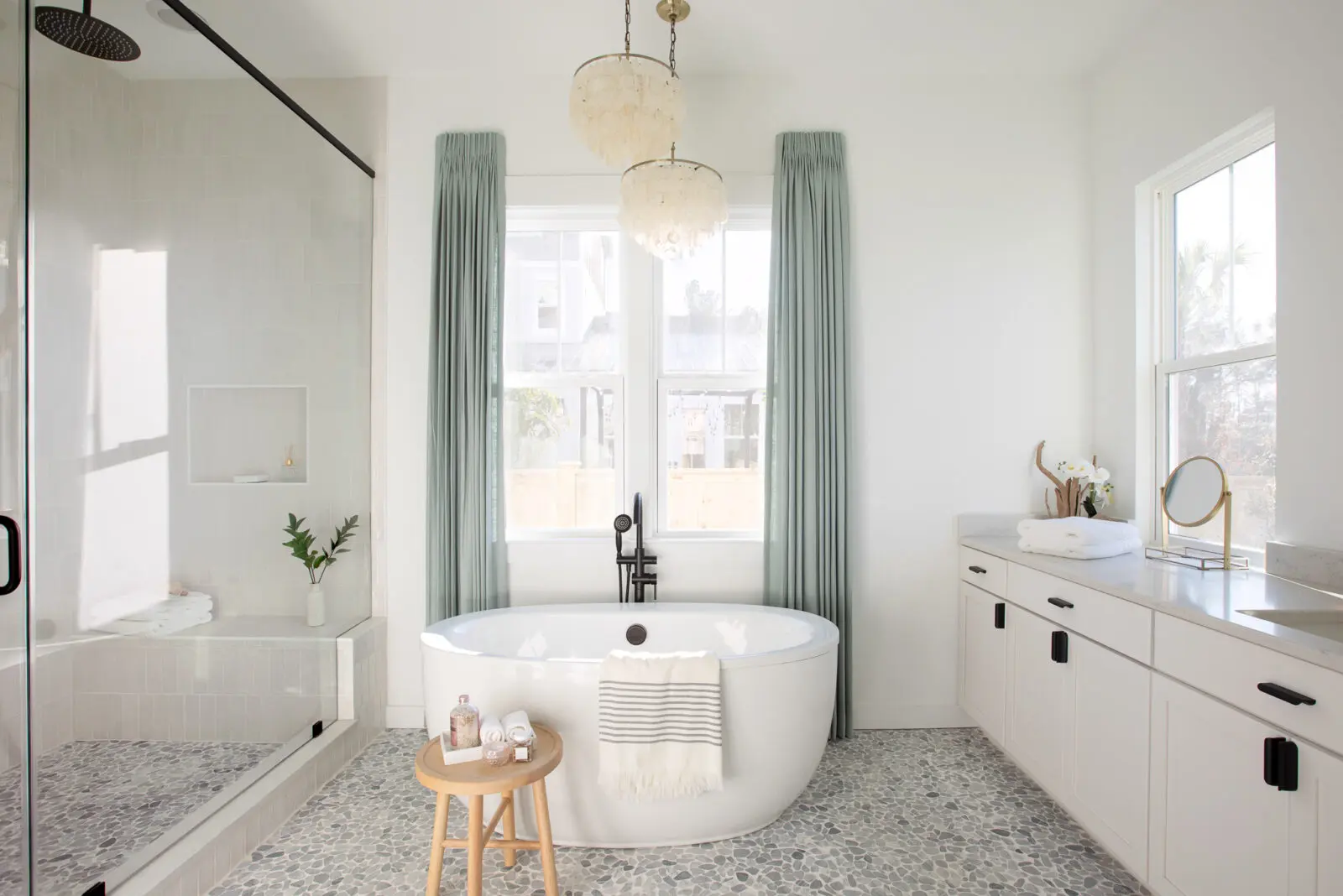
Bathrooms are the most moisture-intensive spaces in any home, and the flooring specification must reflect that reality from the start. Porcelain tile is the gold standard — it is fully waterproof, mold- and mildew-resistant when correctly installed and sealed, and available across a wide range of sizes, colors, and textures. Smaller mosaic tiles are particularly effective for shower floors because they conform to the drain slope and provide better grip underfoot. On luxury projects, natural stone — particularly marble in master baths — creates a spa-like aesthetic that the higher-end market expects. Proper installation and consistent sealing are essential for stone in bathrooms, but when executed correctly the results are durable and visually exceptional. Hardwood warps and buckles with consistent moisture exposure and is not an appropriate bathroom specification under any conditions. Carpet creates ongoing maintenance and hygiene problems that no client wants — both should be eliminated from bathroom consideration entirely.
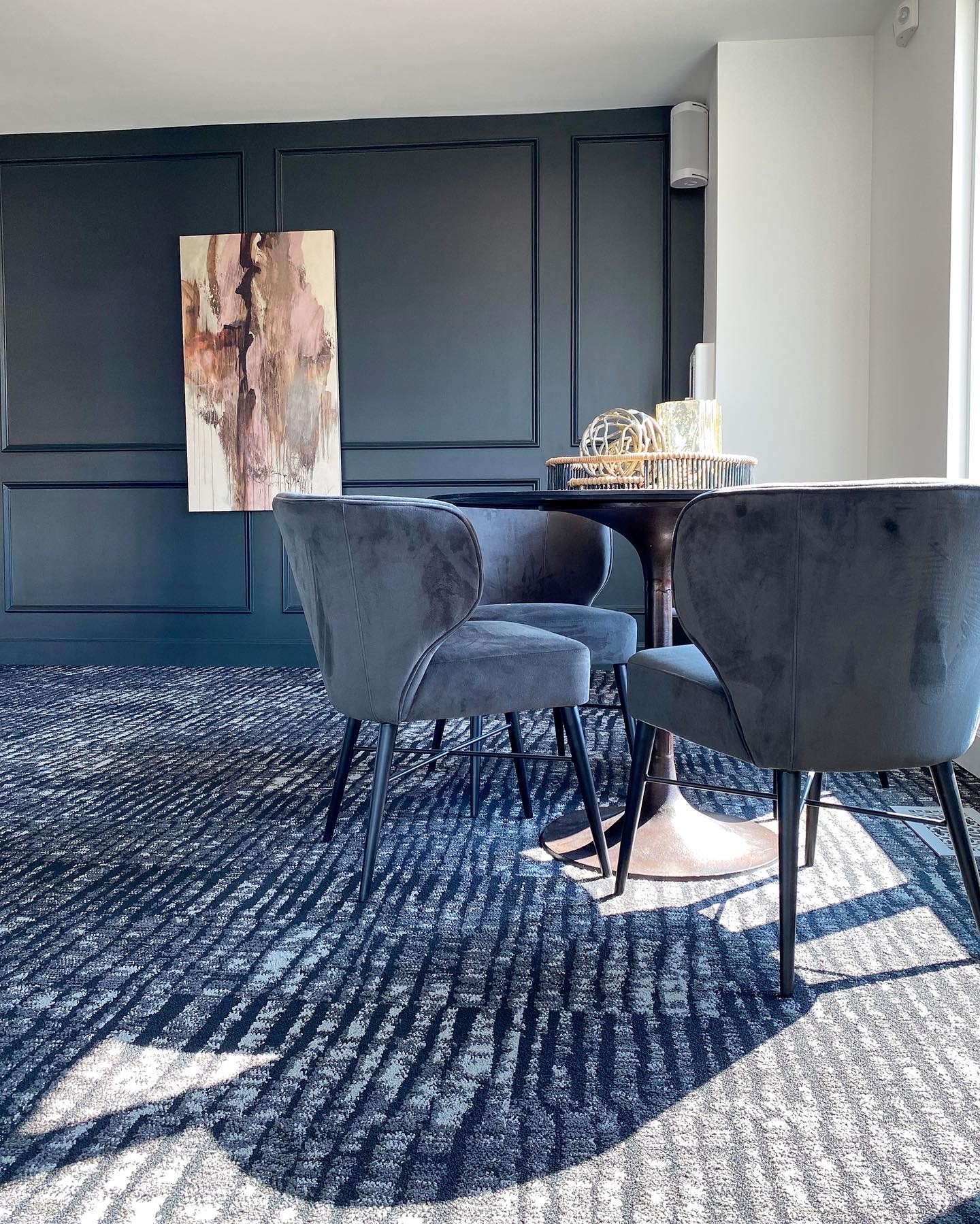
Living rooms and dining rooms generally have lower moisture exposure than kitchens or bathrooms, which opens the specification range. Hardwood performs beautifully in these spaces — the warmth and character of real wood is difficult to replicate, and wide plank hardwood has become a defining feature of high-end residential builds that resonates strongly with buyers at the upper end of the market. Large format porcelain tile with wood or stone looks delivers excellent durability and visual impact, particularly in warmer climates where tile's cool underfoot feel is an asset. Stone flooring in open floor plans that connect living spaces and entryways creates a cohesive, high-end flow that buyers respond to positively. In both living and dining rooms, felt pads under furniture legs are a simple but essential detail for protecting harder flooring surfaces from scratches. Bedrooms shift the priority from durability to comfort and acoustic performance. Hardwood carries easily from adjacent living spaces and provides an allergen-friendly surface that is easy to maintain. Carpet remains a legitimate recommendation in bedrooms — lower traffic levels mean it holds up well, and the softness and sound absorption it provides in sleeping spaces are features many clients specifically request.
One of the most common mistakes in new construction and renovation projects is treating flooring as a single decision. In reality, every room in a home serves a different purpose, experiences different levels of traffic, and faces different environmental conditions. Choosing the right flooring for each space is one of the most important decisions a contractor or builder can make, and it directly impacts client satisfaction, callbacks, and your reputation on future projects.
At C.S. Brown, we work with contractors and builders across the region every day to help match the right flooring products to the right spaces. This guide breaks down the key considerations by room so you can walk into every client conversation with confidence.
It's tempting to let design drive every flooring decision, especially when clients come in with inspiration photos and strong opinions about what they want. But the most successful projects start with function first. A beautiful floor that fails within two years because it wasn't suited for the space is a problem for your client and a reflection on your work.
Before recommending any product, ask yourself a few questions about the space. How much foot traffic will it see daily? Will it be exposed to moisture, humidity, or temperature fluctuations? Are there children, pets, or elderly residents in the home? Will heavy furniture or appliances be placed on the floor? The answers to these questions should guide every flooring recommendation you make.
Entryways and mudrooms are the hardest-working spaces in any home. They take on dirt, moisture, outdoor debris, and heavy foot traffic every single day. This is not the place to cut corners on flooring.
Porcelain tile is one of the best choices for these spaces. It is virtually impervious to moisture, highly resistant to scratching and staining, and easy to clean. Large-format tiles with minimal grout lines are especially practical because they reduce the number of areas where dirt can accumulate. A textured or matte finish also adds slip resistance, which is an important safety consideration in spaces that frequently see wet shoes and boots.
Natural stone is another excellent option for entryways on higher-end projects. Slate and travertine in particular offer exceptional durability and a distinctive look that sets the tone for the rest of the home. Properly sealed stone in an entryway makes a strong first impression and withstands the demands of the space.
What to avoid here: hardwood and carpet. Both are highly susceptible to moisture damage and staining, and neither will perform well over the long term in a space that is constantly exposed to the outside world.
Kitchen flooring has to strike a balance between durability and comfort. Contractors and their clients are cooking, cleaning, dropping things, and standing for long periods in this space. The flooring needs to handle all of it without complaint.
Tile remains a top performer in kitchens. It resists spills, stains, and heat, and it cleans up easily. Porcelain tile, in particular, is dense and low-maintenance, making it a reliable choice for busy kitchen environments. Large format porcelain tiles have become increasingly popular in upscale kitchen builds, creating a seamless, sophisticated look that clients love.
Natural stone brings warmth and character to kitchen floors that tile simply cannot replicate. Granite and slate are especially well-suited for kitchens, given their hardness and resistance to daily wear. The trade-off is that stone requires proper sealing and a bit more maintenance, which is worth communicating to clients upfront.
Hardwood can work in kitchens if the client is set on a wood look. Spills need to be cleaned up promptly, and the area around the sink requires particular attention. It is a workable option in the right application but requires an honest conversation about care expectations.
Bathrooms are the most moisture-intensive spaces in any home, and flooring choices here need to reflect that reality. There is very little margin for error when it comes to water resistance in a bathroom environment.
Porcelain tile is the gold standard for bathroom flooring. It is fully waterproof, mold- and mildew-resistant when properly installed and sealed, and available in a wide range of sizes, colors, and textures. Smaller mosaic tiles work especially well in shower floors because they conform to the drain slope and provide better grip underfoot.
Natural stone significantly elevates bathroom spaces in luxury projects. Marble is a perennial favorite for master baths, creating a spa-like aesthetic that clients in the higher-end market expect. Proper installation and regular sealing are essential with stone in bathrooms, but when done right, the results are stunning and long-lasting.
What to avoid in bathrooms: hardwood and carpet. Hardwood will warp and buckle with consistent moisture exposure, and carpet in a bathroom creates ongoing maintenance headaches and hygiene concerns that no client wants to deal with.
Living rooms and dining rooms are where clients tend to make the most design-driven flooring decisions, and rightly so. These are the spaces guests see first and where families spend the most time together. The good news is that these rooms generally have lower moisture exposure, which opens up more flooring options.
Hardwood flooring performs beautifully in living and dining spaces. The warmth and character of real wood is hard to replicate, and these rooms typically don't face the moisture challenges that make hardwood a risky choice elsewhere in the home. Wide plank hardwood has become a defining feature of high-end residential builds, creating a sense of space and luxury that resonates strongly with clients at the upper end of the market.
Tile works well in dining rooms in warmer climates, where the cool underfoot feel is an asset rather than a drawback. Large format porcelain tiles with wood or stone looks can create a stunning visual impact while delivering excellent durability.
Stone flooring in living spaces makes a bold statement on the right project. In open floor plans where the living and entryway spaces flow together, carrying the same stone material through both areas creates a cohesive, high-end look that buyers respond to positively.
One important consideration in dining rooms is the movement of chairs and furniture. Harder flooring surfaces like tile, stone, and hardwood require felt pads under furniture legs to prevent scratching. This is a simple detail worth communicating to clients during installation.
Bedrooms see lower traffic and less moisture than other areas of the home, so durability requirements are less demanding. This is where comfort and acoustic performance become the primary considerations.
Hardwood is an excellent bedroom choice. It is easy to clean, allergen-friendly, and creates a warm, cohesive look when carried through from adjacent living spaces. Carrying the same hardwood species and finish from the main living areas into the bedrooms creates a sense of flow and continuity that clients and buyers respond to positively.
Carpet remains a genuinely practical option for bedrooms. Lower traffic levels mean it holds up well over time, and the softness and sound absorption it provides in sleeping spaces are something many clients specifically ask for. It is a legitimate recommendation in the right application, and C.S. Brown's carpet selection supports it well.
Basements present unique challenges due to their exposure to ground moisture, temperature fluctuations, and potential water intrusion. Flooring choices here need to account for these conditions from the start.
Tile is a strong option for basement spaces, particularly in laundry rooms, home gyms, and utility areas, where durability and easy cleaning are priorities. Its waterproof nature makes it well-suited for below-grade environments where moisture is a consistent concern.
Vinyl is a practical choice for finished basement living spaces. It handles moisture well, installs over concrete without issue in most applications, and provides a comfortable, finished look for recreational or flex spaces.
Rubber flooring is worth recommending for basement home gyms and utility spaces. It is highly durable, moisture-resistant, easy to clean, and provides cushioning underfoot that hard surfaces simply cannot match in a workout environment.
Hardwood should be avoided in basements. The moisture levels in below-grade spaces are too variable for hardwood to perform reliably over time, and the risk of warping and damage is simply too high.
Home offices have become a priority for many clients, and flooring choices here should balance professional appearance with practical performance. Hardwood is a natural fit for home office spaces, lending a polished, professional quality to the room that clients working from home consistently gravitate toward.
One practical consideration for home offices is chair movement. Rolling desk chairs can scratch harder flooring surfaces over time. Recommending a chair mat at installation is a simple way to protect the floor and prevent a premature flooring issue for your client.
Making the right flooring recommendation for every room in a home requires product knowledge, experience, and a reliable supply chain. At C.S. Brown, we partner with contractors and builders to provide exactly that. Our team can help you identify the right products for each space, work through material selections with your clients, and ensure your orders arrive on schedule so your projects stay on track.
When flooring decisions are made thoughtfully from the beginning, projects go more smoothly, clients are happier, and your reputation grows. That is the kind of partnership C.S. Brown has built on.
Ready to talk through flooring selections for your next project? Contact C.S. Brown today to schedule a consultation with our team.